 Historical Accountability Student Research Program
Shocking Incident
In October 1969 the National Academy of Sciences held its autumn meeting at Dartmouth. William Shockley asked to deliver a paper there, and under the Academy's constitution any member could present at a regular meeting at his own request, so the lecture went onto the programme.
Shockley was a physicist at Stanford University and he had shared the Nobel Prize in physics for inventing the transistor. However in 1969 he was touring American campuses arguing that Black people were genetically inferior in intelligence. It should also be noted that he had no training in genetics or in psychology The Academy had repeatedly declined to endorse his research proposals on race. The Academy's own president explained that Shockley had produced no new research and no new method, and was confusing the available data with his own views on welfare policy. Of the seventy-five Academy members at the Dartmouth conference, three or four came to his session.
Shockley was a Nobel Prize winner. Now if you're a Nobel Prize winner, you get a lot of credit and sometimes you get credit for stuff that you don't deserve. They think you know a lot about everything. You know a lot about one thing.
Thomas J. Price '71, Dartmouth Black Lives Oral History Project, October 2021
Tyrone Byrd, Class of 1973, recalls that around sixty students agreed to clap Shockley down. According to his Oral History most of these students understood that expulsion was a potential consequence. When Shockley was introduced they began applauding and did not stop. He smiled at first. The clapping then ran for close to half an hour before the lecture was abandoned.
Accounts of the number of protestors differ. Thomas Price '71 remembers about twenty students on their feet. The Dartmouth Alumni Magazine reported between twenty-five and thirty students and seventeen that kept going after the others sat down. Those seventeen were charged with violating the College's regulation on freedom of expression and dissent.
That must have been a committee that put us on probation. The ones that they could identify, and I was identifiable because I was at that time a well-recognized football player.
Willie Bogan '71, Dartmouth Black Lives Oral History Project, 28 October 2021
Seventeen names had to come from somewhere. The College Proctor had photographed the hall, and students were identified by sight.
Willie Bogan, Class of 1971, was an All-Ivy defensive back and one of those who was charged. Wesley Pugh, two years behind him, was not. Pugh states that arrived late, sat high at the back, and left with everyone else. Neither of them thinks the College went specifically looking for athletes. But being identified by sight was easier for some students than others, and the Black students Dartmouth knew best were the ones who played for them.
The College wrote to the students' parents and Bogan was placed on probation. Byrd, still a freshman, got what he calls a slap on the wrist. However, looking back, Bogan does not think the punishment should have been handed down at all, and says the College owed the students an apology instead.
From the Archives
Click on an image to access the full document, audio-visual components, and/or metadata associated with that item.

An account of the Shockley session at the National Academy of Sciences autumn meeting held at Dartmouth.
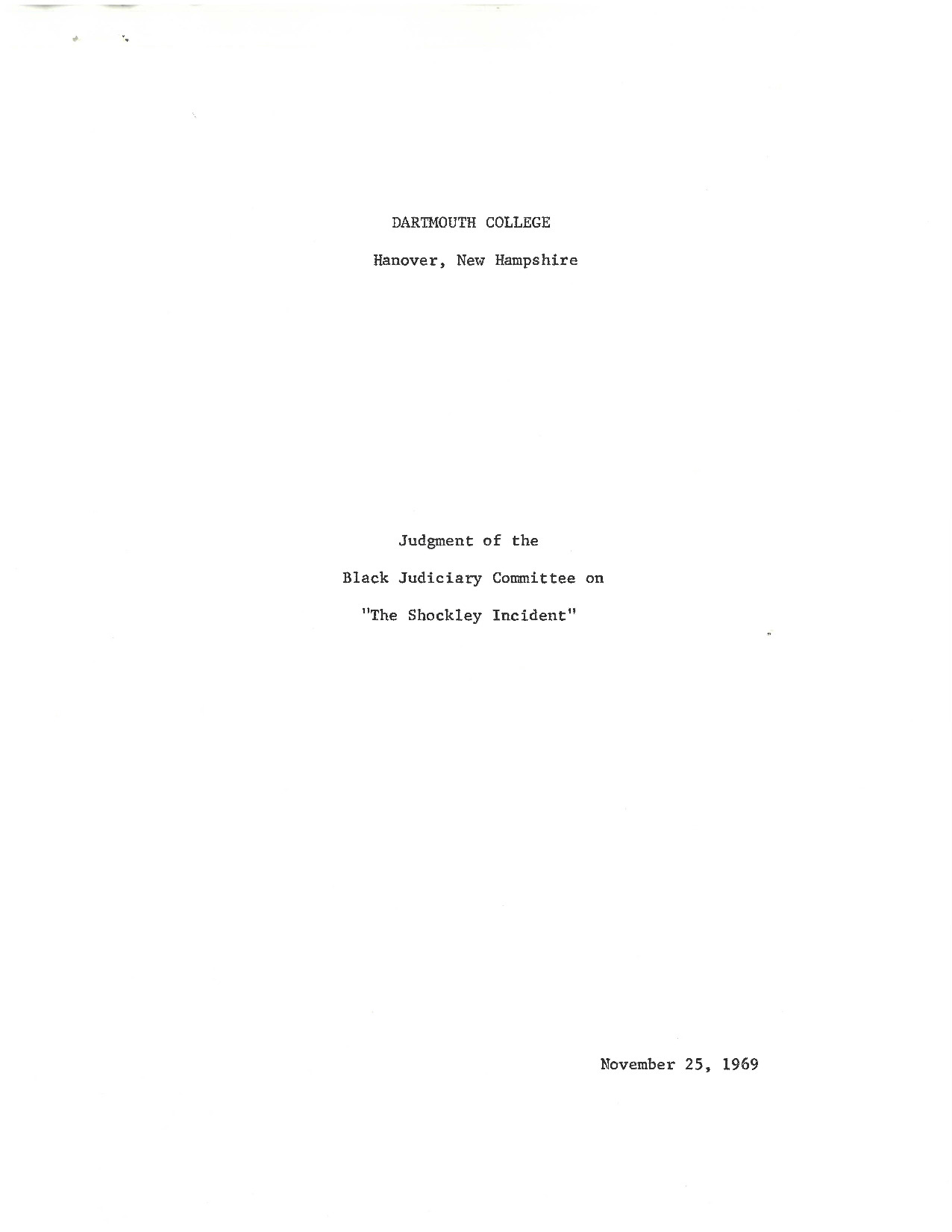
The committee, made up of four Black students and four faculty including Errol Hill, sat for some thirty-five hours across eight occasions before recommending that the charges arising from the Shockley protest be dismissed. It argued that singling out for punishment the students most likely to be harmed by the speech showed an inflexible attitude. The College overrode the recommendation, and every member of the committee resigned.
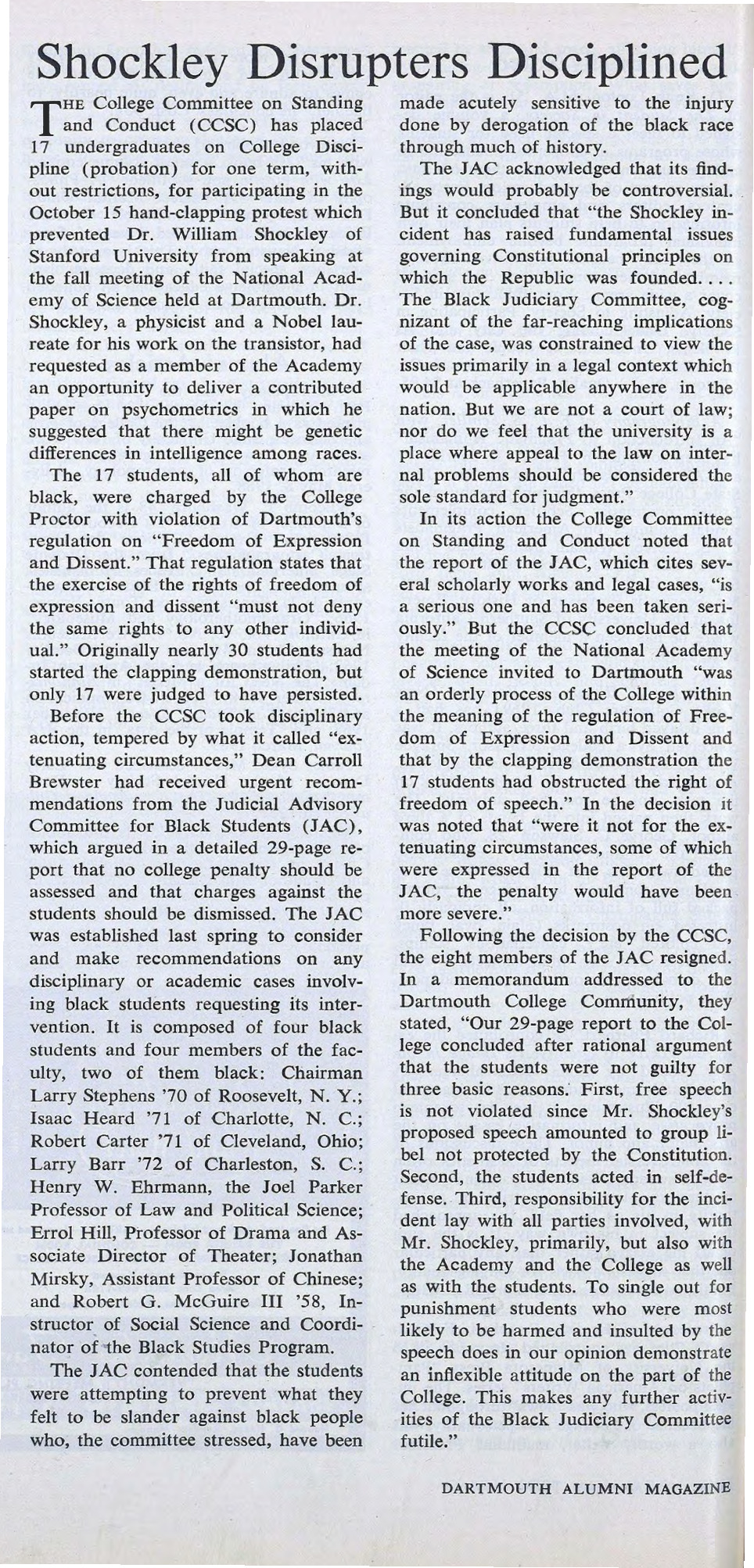
The magazine's report on the discipline imposed after the protest of 15 October 1969.
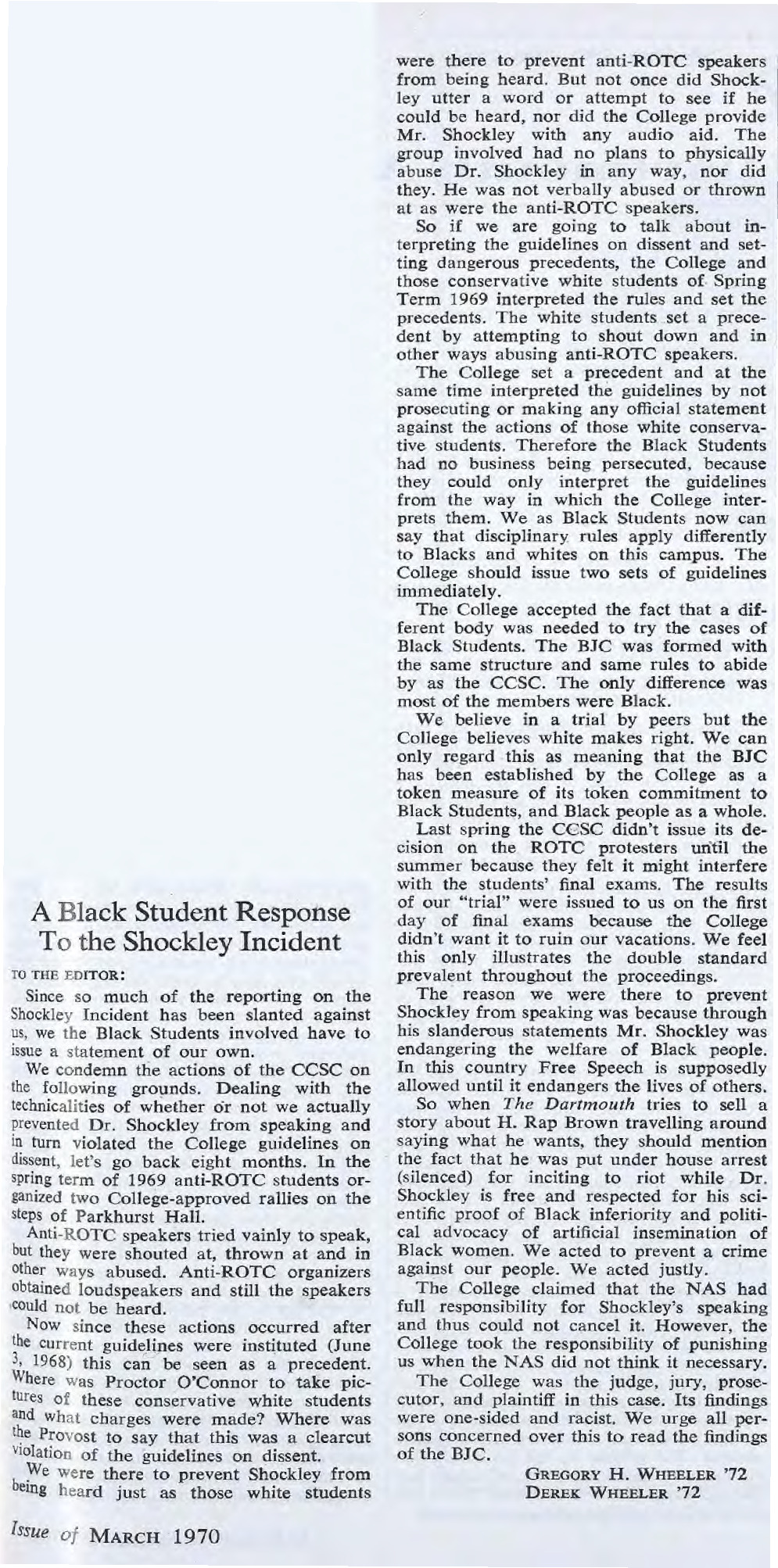
Two members of the Class of 1972 contrast the College's treatment of the October 1969 protest with its treatment of conservative white students who disrupted two College-approved anti-ROTC rallies on the Parkhurst steps in the spring of 1969, after the guidelines on dissent had taken effect.
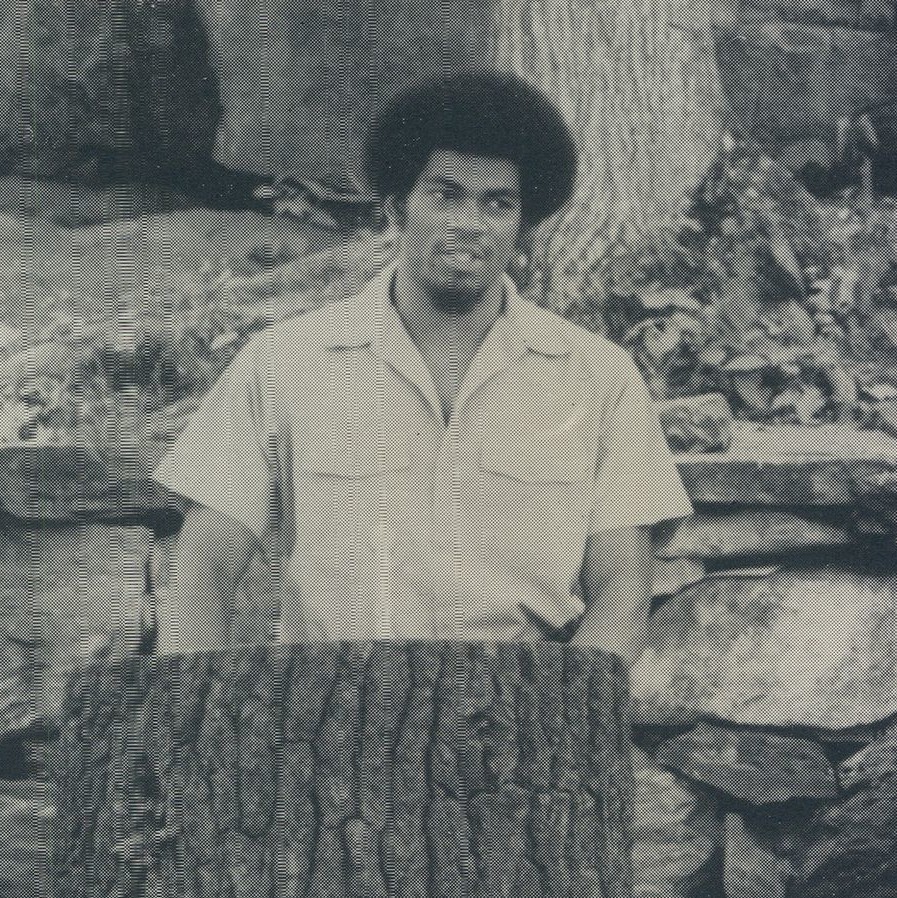
Willie Bogan grew up in Albion, Michigan, and was recruited after head coach Bob Blackman mailed a questionnaire to high school coaches across the country; Bogan's own coach filled one in without telling him.
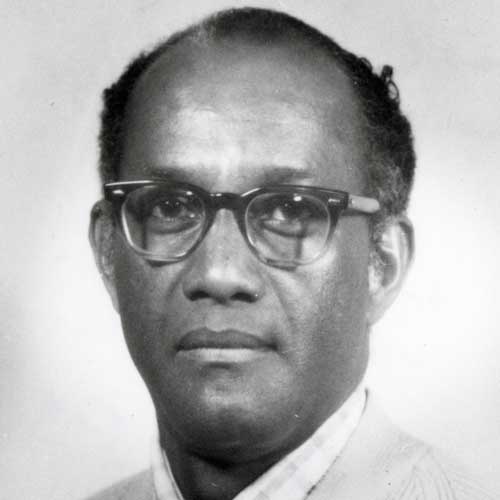
Errol Hill, of the drama department, was the only Black professor most Dartmouth students of the late 1960s could name. He advised the Afro-American Society, later served as the College's Affirmative Action Officer, invited Black students to his home in Hanover, and sat on the Black Judiciary Committee that recommended dismissing the charges arising from the Shockley protest.