 Historical Accountability Student Research Program
Two Pipelines onto Campus
Dartmouth's first Black graduate, Edward Mitchell, took his degree in 1828. One hundred and forty years later, in 1968, the College had produced roughly 130 Black alumni in total.
Woody Lee, Class of 1968, arrived in Hanover in 1964. He recalled having no Black faculty member and no alumni history to consult, and he thought there were only two Black upperclassmen on campus. The first Black professor he can name, Errol Hill of the drama department, arrived while he was still an undergraduate.
However, five years after Lee matriculated, more than 170 Black students were enrolled at Dartmouth at once. This brings us to the question: What could've produced that change?
A Better Chance was founded in 1963 to prepare students from under-resourced schools for admission to private preparatory schools. The first Dartmouth summer programme ran in 1964: about fifty-five students on campus for eight weeks before they went on to schools across the Northeast. Dean Charles F. Dey '58 of the Tucker Foundation, who ran the programme at Dartmouth, was explicit about who it was for. Candidates were identified by a social worker, a minister, a principal or a teacher, and they were not recruited athletes.
Dean Dey forwarded folders of candidates to the preparatory schools, and many of the schools did not honour the enrolment commitments they had made. When Dartmouth pressed, Frank Boyden, the headmaster of Deerfield Academy, drove to Hanover in a chauffeured Cadillac to explain that Deerfield was a poor country school and could not take more students.
Dey then sent a set of folders that happened to include a couple of good athletes. Deerfield accepted them at once.
What he really wanted was athletes.
Charles F. Dey '58, Dartmouth College Oral History Program
The second effort came from the students. The College's position had long been that Black applicants simply did not apply to Dartmouth. The Afro-American Society : through the Black Student Application Encouragement Committee subsequently began recruiting students. Society members went home during college breaks and recruited Black students in their own towns and high schools. Wesley Pugh '73 and Tyrone Byrd '73 both recall the effort, and the class admitted after it was the largest to that point.
The athletics staff also used similiar networks. Thomas Price '71, a football recruit remembers coach Robert Blackman calling him about a prospect from Baltimore and asking him to convice the prospect to join. The recruit, Stuart Simms '72, went on to become co-captain of the football team.
Dartmouth historically had maybe 10 to 20 Black students and mine was 95. The only way they got that increase was that several years before that, Black students as part of their student activism went to President Dickey and said, pretty much demanded that we wanted to increase the Black population, and "the best way to do that is give us a budget, and we'll take care of the rest." So, they took the initiative … and they began to rent cars, plane rides, and they went to searching for us at inner city schools.
Tyrone Byrd '73, Dartmouth Black Lives
From the Archives
Click on an image to access the full document, audio-visual components, and/or metadata associated with that item.
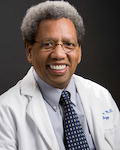
Forrester Lee, known as Woody, was the first president of the Afro-American Society.
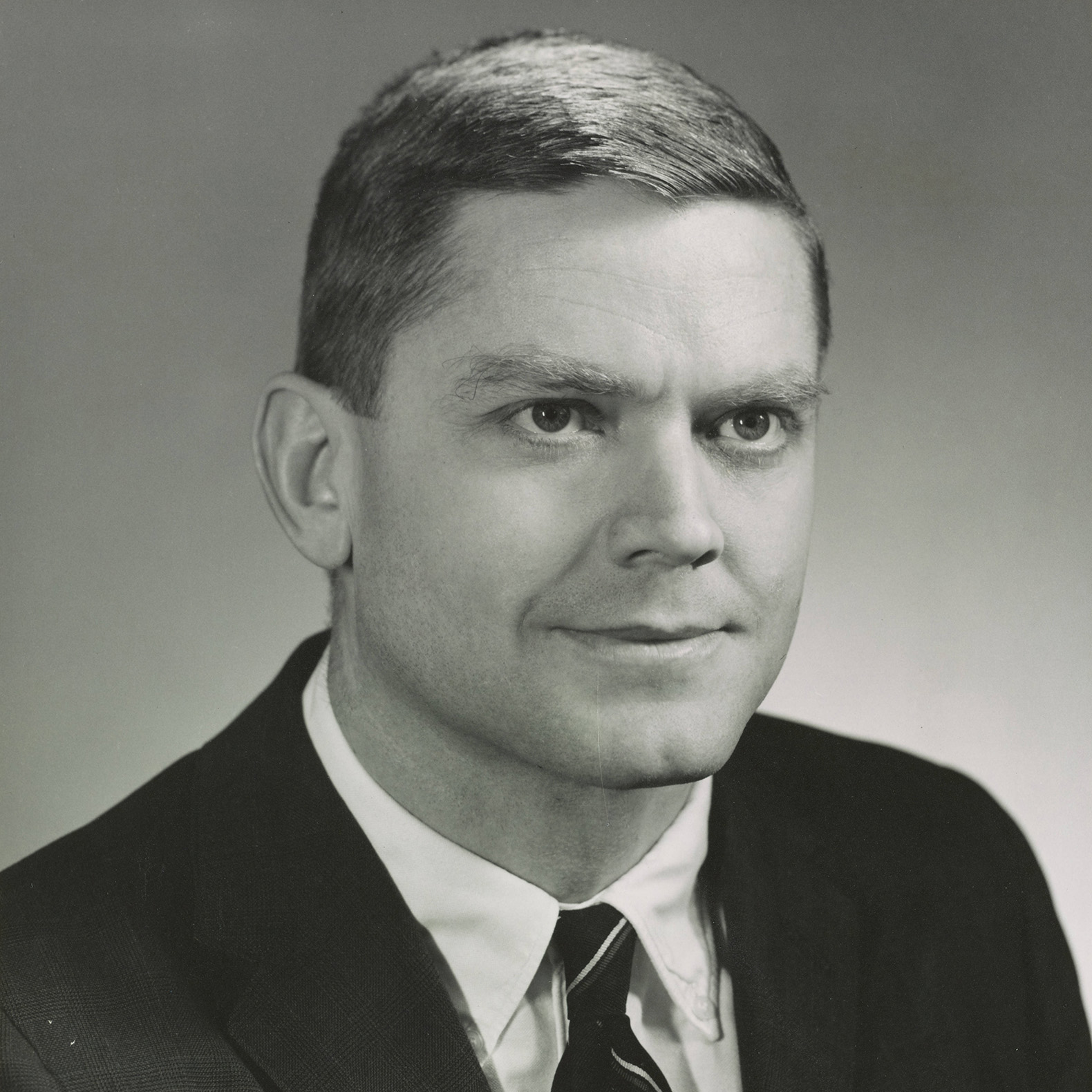
Charles F. Dey, Class of 1958, directed A Better Chance at Dartmouth from 1964.
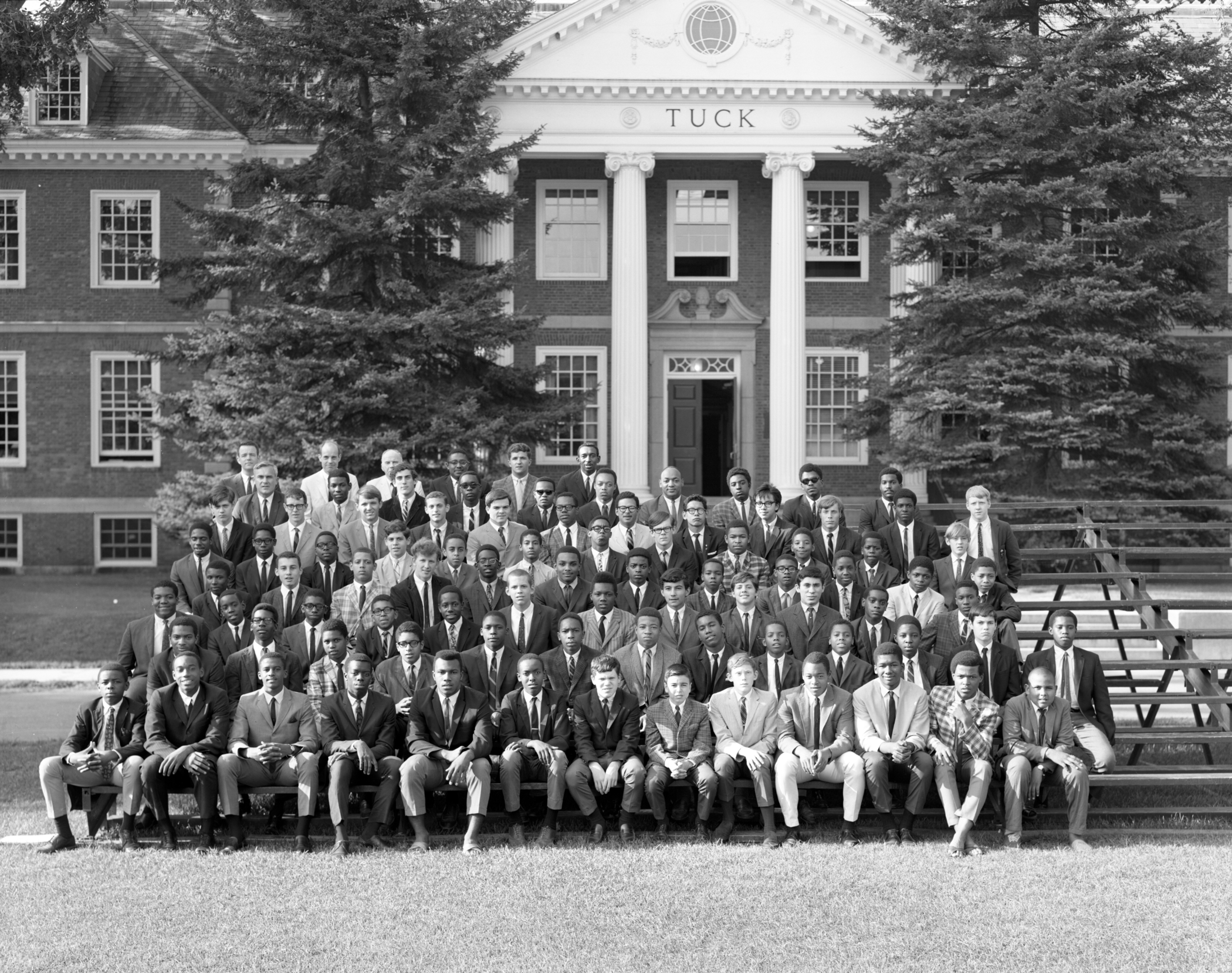
Students in the A Better Chance summer programme at Dartmouth.
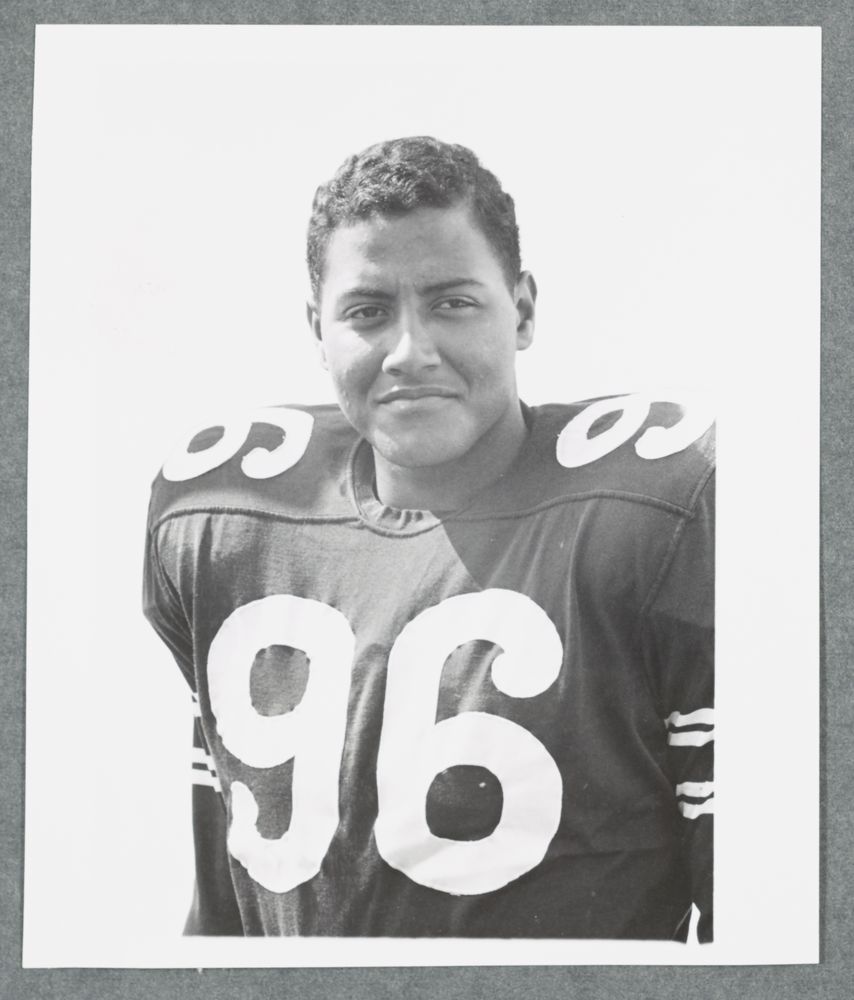
Thomas Price came to Dartmouth from Burlington, Ohio, as a high school All-American in football, having already signed a letter of intent to Ohio State.

Reporting on the size of the Black student population in the autumn of 1969, when more than 170 Black students were enrolled after roughly six years of rapid growth. In the 140 years between the College's first Black graduate, Edward Mitchell, in 1828 and the year 1968, Dartmouth had produced roughly 130 Black alumni in total.